



Our ambition for Dyneema®
We have a responsibility to all our stakeholders – from customers and end-users to society at large – to ensure Dyneema® has a minimal impact on our planet. So we’ve set ourselves an ambitious challenge: to develop sustainable solutions for Dyneema® and reduce our carbon footprint in every aspect of our business operations.
Responsible sourcing
Our sustainability ambitions start with responsible sourcing and our transition to using cleaner, more sustainable feedstock. For Dyneema®, that means identifying renewable raw materials – without disrupting essential economic systems, such as the food value chain. And we've done just that: Dyneema® fiber is now available from circular and bio-circular feedstocks.

Dyneema® fiber from bio-circular feedstock
In line with our commitment toward a more sustainable future, we've developed the first-ever bio-circular ultra-high-molecular-weight polyethylene (UHMWPE) fiber. Sourced from renewable, bio-circular feedstock, our newest innovation in fiber technology uses the mass balance approach to help further reduce our reliance on fossil fuel-based resources.
Our innovative solution is ISCC certified and boasts a considerably lower carbon footprint than conventional Dyneema® fiber.
Recycled-based Dyneema® fiber
We’ve launched exciting pilot projects to produce recycled-based Dyneema® from chemically mixed plastic household waste. In fact, this represented an important milestone in our circularity ambitions.
Working with like-minded manufacturers and underpinned by the ISCC-certified mass balance approach, we’re trialing our solution across a diverse range of applications – from sailing ropes to fishing gear.
This important breakthrough is thanks to our longstanding collaboration with our partner SABIC. This leading chemical company will provide the feedstock, circular ethylene, for the production of recycled-based Dyneema®.
And there’s more: we’re now working together to increase volumes of circular ethylene feedstock to drive future production.

Responsible manufacturing
The steps we’re taking to lower the environmental footprint of our manufacturing activities help to minimize the footprint of Dyneema® over the product life cycle. These improvements then pass along to our customers – helping them reduce their Scope 3 greenhouse gas (GHG) emissions.
What we've achieved so far
Renewable products
We’ve launched Dyneema® fiber from bio-circular feedstock and Dyneema® fiber from circular feedstock.
Cleaner manufacturing
We’ve already hit our 2030 target to power Dyneema® sites with > 75% renewable electricity. We reduced our Scope 1 and 2 GHG emissions by more than 40% from 2019 to 2025.
Sustainable partnerships
We’ve developed premium manufacturing partnerships with like-minded fabric mills around the world that can help us build a more sustainable value chain.
Consistent excellence
As we reduce our environmental footprint, we continue to ensure our customers and end-users receive the same levels of quality, consistency, and performance from Dyneema® products – as shown by our DNV Approval of Manufacturing and Type Approval certificates.
Responsible usage
How to deliver end-to-end sustainability? By designing robust, durable, long-lasting products that stand the test of time.
For Dyneema®, designing for circularity in product usage is a step-by-step process that involves close collaboration with our customers and partners. After all, what we do sets the tone for this process across the wider value chain.
Designing for usage
Stronger = lighter material
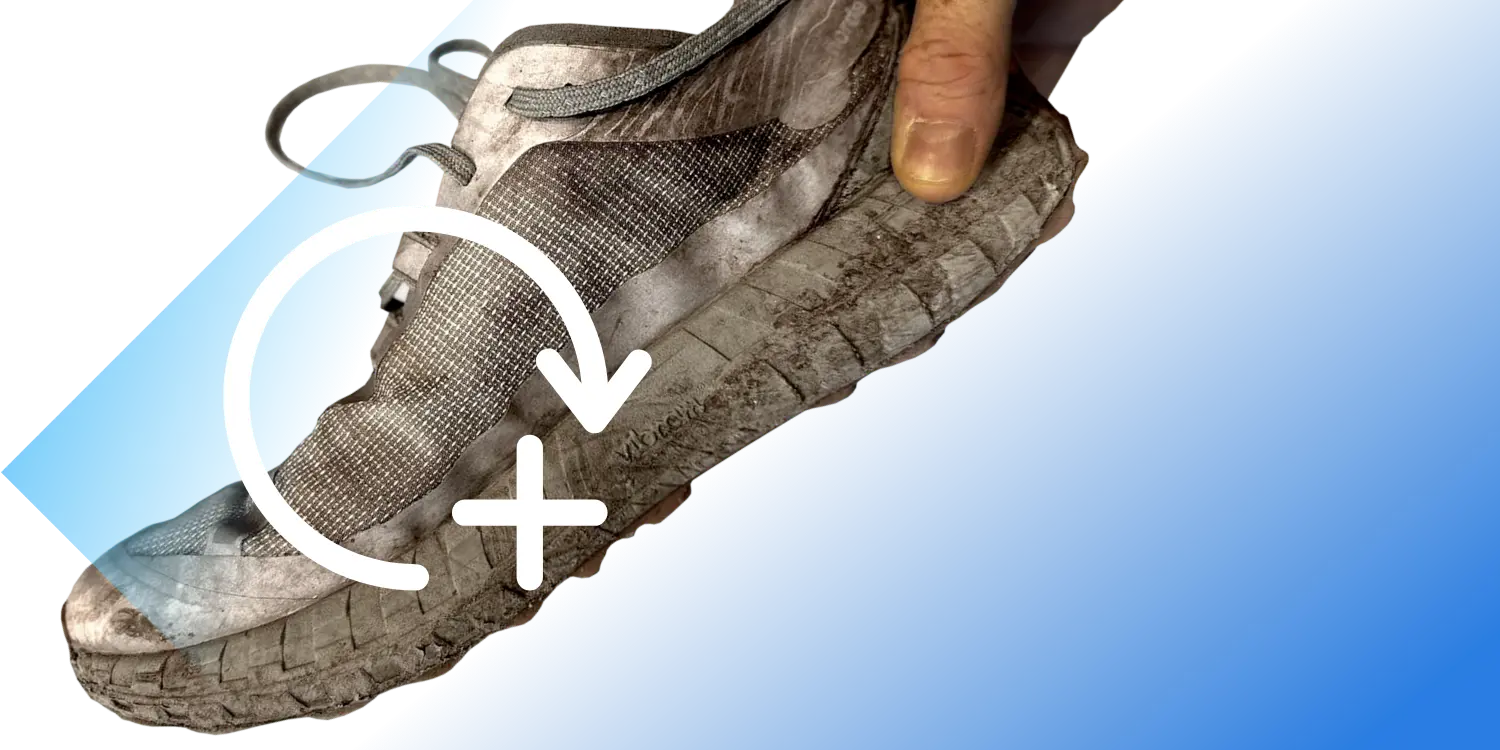
Lightweighting is at the heart of the Dyneema® concept – in other words, using less material to achieve the same level of performance.
Lighter = less energy
Dyneema® can be used in place of materials that are heavier to transport and operate, like steel – saving energy in logistics and operations.
Durability = less consumption
We work closely with customers across multiple industries to co-engineer durable end-use product designs without compromising on safety or reliability. These products retain their key qualities for longer. And that’s a big deal – because less frequent replacement not only means less disposal and waste, but also less use of virgin materials and energy.
Responsible end-of-life
Even the most durable products will eventually reach the end of their usable life. Achieving end-to-end sustainability means taking care of the end-of-life stage – so that we minimize Dyneema®’s impact and retain the maximum value from the resources that go into making our products.
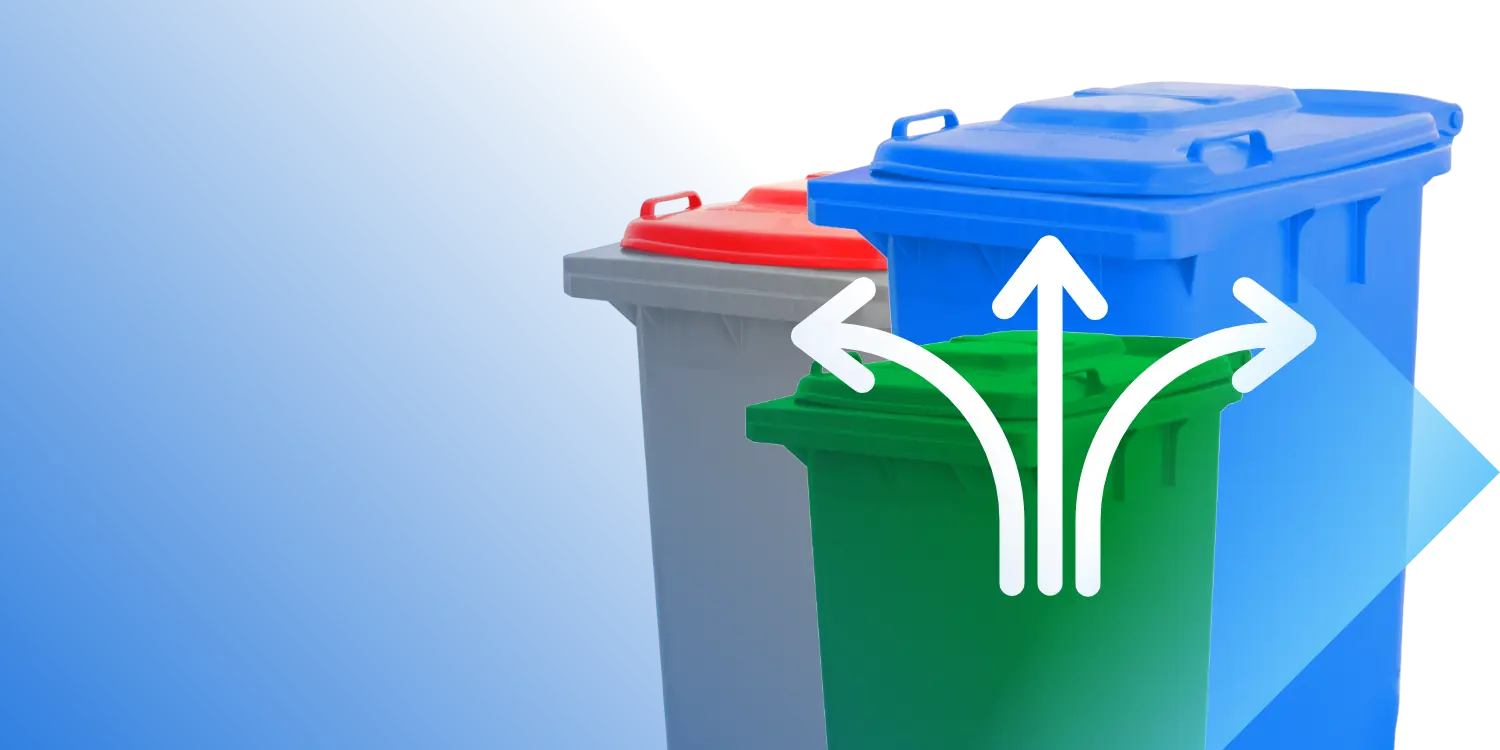
Our end-of-life solutions fall into three core categories
Reuse
We work with our customers to co-design products that are not only fit for purpose but also help extend the lifetimes of essential applications.
In rope applications, for example, we’ve developed a fatigue performance model and a temperature model that can predict and extend the use of lifting slings under particular conditions. By extending the lifetime of end products, we reduce the amount of material usage and waste. We follow an “assurance case” approach to ensure safe, reliable, and sustainable reuse.
Recycling
We’re working to establish a commercial-scale recycling solution for post-production recycling partners. We want to ensure our waste is disposed of responsibly when they reach their end of life, without resorting to incineration or landfills.
This includes exploring ways to turn current Dyneema® fiber waste into valuable material that can be used for new applications.
Dyneema® fiber from bio-circular feedstock
We help our customers and end-users reduce their environmental footprint and drive circularity with Dyneema® fiber made from bio-circular raw materials, the first ultra-high-molecular-weight polyethylene (UHMWPE) fiber made from bio-circular feedstock using the mass balance approach.
Strengthen your business
Sustainability doesn’t just make sense for the planet; it’s also good for business. The environmental footprint and durability of Dyneema® offer commercial benefits for stakeholders throughout the value chain, from manufacturers to retailers. Find out how Dyneema® can deliver a competitive advantage for your business.

Powerful endorsements for meaningful work
It’s always nice to be acknowledged, and we’re proud to be part of a company that has made sustainability a core business priority. Through Avient’s commitment to responsible business practices, measurable sustainability goals, and alignment with the U.N. Sustainable Development Goals, sustainability continues to be integrated across our operations and the solutions we bring to market.